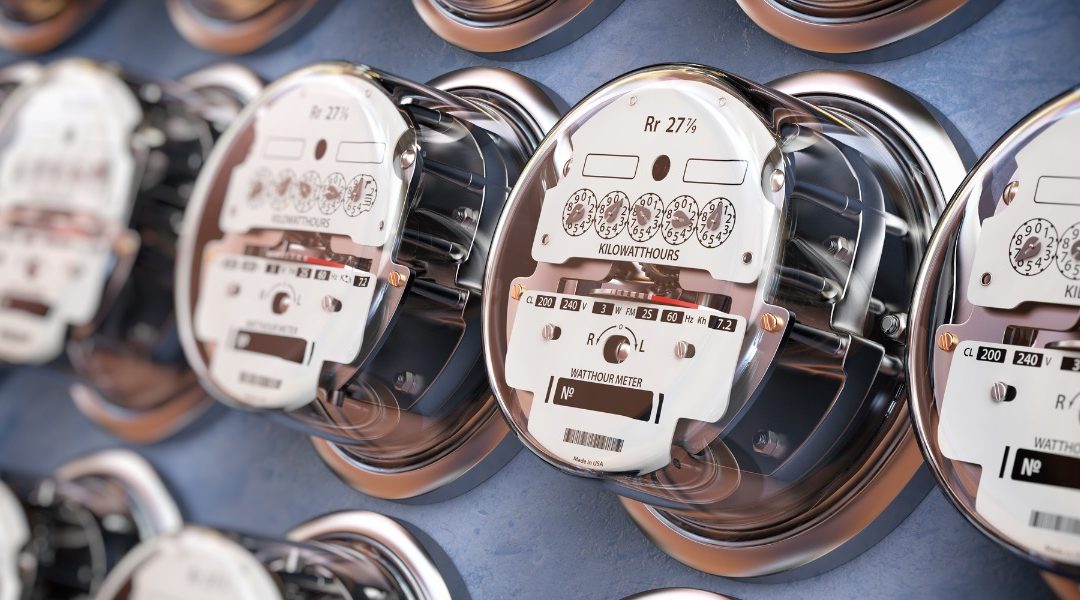
Welcome to Ashland, a charming community nestled in the heart of Illinois’ Cass County. Known for its fertile farmlands, tree‑lined streets and friendly neighborhoods, Ashland’s small businesses are the heartbeat of the local economy. From family‑owned farms and co‑ops to machine shops, homebuilders and retail storefronts along Main Street, Ashland embodies the entrepreneurial spirit that has sustained rural America for generations.
In recent years, Illinois’ deregulated electricity and natural gas markets have opened new doors for business owners. Instead of being locked into a utility’s default supply rate, Ashland companies can shop around for competitive energy contracts, aggregate their buying power and leverage expertise from energy brokers and consultants. At the same time, new technologies—from LED lighting and smart thermostats to solar arrays and battery storage—make it possible to slash consumption and reinvest savings back into operations. This comprehensive guide outlines everything you need to know about managing energy costs, selecting the right supplier, and even becoming a broker or consultant yourself.
Illinois Small Businesses: The Backbone of the Economy
Illinois is home to more than 1.3 million small businesses, representing 99.6% of all companies and employing roughly 44% of the state’s workforce. These enterprises span every sector imaginable—family farms, precision manufacturers, logistics firms, restaurants, healthcare clinics and professional services—and they power the economies of communities like Ashland. When energy costs rise, margins tighten; when savings are reinvested, businesses thrive.
The state’s commitment to clean energy has also spurred growth in energy efficiency and renewable industries. According to industry reports, energy efficiency alone supports nearly 90,000 jobs in Illinois, from electricians and HVAC contractors to architects and auditors. State programs such as the Illinois Power Agency’s Adjustable Block Program for solar and ComEd’s Smart Ideas incentives provide rebates and grants for upgrades like LED lighting, high‑efficiency HVAC systems and advanced metering.
Municipalities and non‑profit organizations also offer resources tailored to small towns. The Illinois Department of Commerce & Economic Opportunity runs the Energy Performance Contracting program, which helps public and private institutions finance improvements using future energy savings. Rural Electric Cooperatives provide rebates and energy audits to their members. Understanding these opportunities is the first step toward slashing your utility bills and becoming more resilient in the face of market volatility.
Moreover, by reducing your energy footprint, you’re contributing to a broader movement toward sustainabd for costly grid upgrades, and frees up capital for hiring, expansion and innovation.ility. Cutting consumption lowers greenhouse‑gas emissions, reduces the nee
/
U
Understanding Your Energy Costs and Options
Your electric and natural gas bills are made up of two main components: delivery charges regulated by the utility and supply charges that you can shop around. Start by gathering at least 12 months of utility bills to understand your average usage, seasonal peaks and demand charges. Many small businesses are surprised to learn how much of their bill is fixed distribution and transmission costs versus variable supply.
Next, examine your consumption patterns. Are there significant spikes during harvest season, when refrigeration and grain dryers run nonstop? Do your heating and cooling systems operate efficiently, or are you cooling empty spaces? Smart thermostats, occupancy sensors and interval meters can help you identify waste. Once you know your load profile, you’re better positioned to negotiate with suppliers or participate in aggregation programs with neighboring businesses or municipalities.
In deregulated states like Illinois, you’re not limited to the default utility rate. Brokers and suppliers can offer fixed, variable, indexed or blended products, each with advantages and risks. Some businesses prefer the budget certainty of long‑term fixed rates, while others opt for index‑based contracts that capitalize on market dips. You can also explore community solar subscriptions, power purchase agreements and group buying cooperatives to lock in lower rates and support local renewable projects.
Beyond supply contracts, consider efficiency upgrades and demand response. Replacing fluorescent lighting with LEDs, installing ENERGY STAR® appliances, repairing leaks and improving insulation can cut consumption by 10–30% or more. Meanwhile, demand response programs pay you to reduce usage during peak grid events; by shifting processes to off‑peak hours or temporarily reducing load, you not only earn incentives but help stabilize the grid. Financing options such as property‑assessed clean energy (PACE) loans and utility on‑bill financing allow you to pay for upgrades through the energy savings they generate
/heading
Energy brokers serve as intermediaries between customers and competitive suppliers in deregulated markets. Their primary role is to shop around on your behalf, negotiate with retail energy providers, and secure a contract that meets your budget and risk tolerance. Brokers earn a small commission included in your supply rate, so there’s no direct fee for their service. They should be licensed by the state and provide transparent pricing, contract terms and market comparisons.
Energy consultants take a more holistic approach. Instead of focusing solely on the supply contract, consultants analyze your entire energy profile—from usage patterns and utility tariffs to facility operations, equipment and comfort requirements. They develop customized strategies to reduce consumption, manage peak demand, integrate renewables and improve resilience. Consultants often charge a fee or share a portion of the savings they help you achieve, but their services can deliver significant long‑term value.
Some firms offer both brokerage and consulting services. They may start by securing a competitive supply rate, then follow through with energy audits, project management, measurement and verification. Depending on your needs, you can engage a broker for a quick contract renewal, a consultant for a deep dive into efficiency, or a hybrid provider that combines both. In every case, working with a knowledgeable professional can save you time, reduce risks and uncover opportunities you might otherwise miss. of and Consultants.